
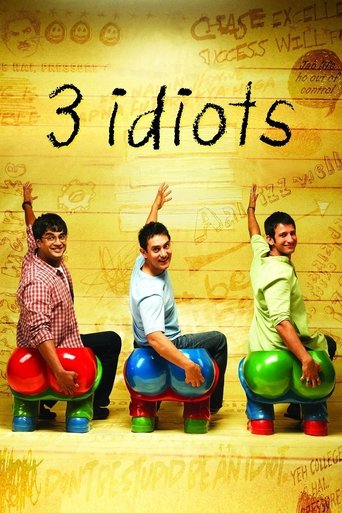
 3 Idiots2009 · HI · 8.0
Announcements
BollyStop: Indian films in eight languages, from 3 Idiots, Lagaan and Kabhi Khushi Kabhie Gham to Anbe Sivam, Jersey, Bangalore Days, Mayabazar and The Big City
193 films set out like a forum index, each with its cast, its rating and a Watch now button.
Last 10 additions
- Made in Korea | 2026 | TA | 113 min
- Saiyaara | 2025 | HI | 150 min
- Sitaare Zameen Par | 2025 | HI | 155 min
- Tourist Family | 2025 | TA | 128 min
- Superboys of Malegaon | 2025 | HI | 128 min
- Dragon | 2025 | TA | 157 min
- Meiyazhagan | 2024 | TA | 177 min
- Ni Main Sass Kuttni 2 | 2024 | PA | 123 min
- Guruvayoor Ambalanadayil | 2024 | ML | 132 min
- Star | 2024 | TA | 157 min
| Section | Latest film | Films | |
|---|---|---|---|
| HindiOne hundred Hindi films from Mumbai. | Saiyaara2025 · with Ahaan Panday | 100 | |
| TamilTwenty-eight Tamil films from Chennai. | Made in Korea2026 · with Priyanka Arul Mohan | 28 | |
| TeluguTwenty-four Telugu films from Hyderabad. | Radhe Shyam2022 · with Prabhas | 24 | |
| MalayalamTwenty-four Malayalam films from Kerala. | Guruvayoor Ambalanadayil2024 · with Prithviraj Sukumaran | 24 | |
| BengaliEight Bengali classics. | The Stranger1991 · with Utpal Dutt | 8 | |
| Kannada, Marathi and PunjabiNine films in three more languages. | Ni Main Sass Kuttni 22024 · with Anita Devgan | 9 | |
| South IndianTamil, Telugu, Malayalam and Kannada films together. | Made in Korea2026 · with Priyanka Arul Mohan | 79 | |
| Section | Latest film | Films | |
|---|---|---|---|
| ComedyComedies. | Sitaare Zameen Par2025 · with Aamir Khan | 118 | |
| DramaDramas. | Made in Korea2026 · with Priyanka Arul Mohan | 157 | |
| RomanceLove stories. | Saiyaara2025 · with Ahaan Panday | 100 | |
| Family and fantasyFamily films, fantasy and adventure. | Tourist Family2025 · with M. Sasikumar | 34 | |
| Top ratedFilms rated 7.6 or higher. | Tourist Family2025 · with M. Sasikumar | 30 | |
| Section | Latest film | Films | |
|---|---|---|---|
| Before 2000Films from 1957 to 1999. | Taal1999 · with Aishwarya Rai Bachchan | 24 | |
| 2000 to 2009Films from 2000 to 2009. | 3 Idiots2009 · with Aamir Khan | 40 | |
| 2010 to 2016Films from 2010 to 2016. | Kirik Party2016 · with Rakshit Shetty | 67 | |
| 2017 onwardFilms from 2017 to 2026. | Made in Korea2026 · with Priyanka Arul Mohan | 62 | |
BollyStop statistics
Films: 193 · Languages: 8 · Hours: 473 · Newest film: Made in Korea
Most watched this month


The BollyStop guide
BollyStop: Indian films in eight languages, from 3 Idiots, Lagaan and Kabhi Khushi Kabhie Gham to Anbe Sivam, Jersey, Bangalore Days, Mayabazar and The Big City
BollyStop takes its name from Bollywood and then goes a good deal further. It is a guide to Indian cinema as a whole: 193 films in eight languages, made between 1957 and 2026, described in English and set out in the manner of an old discussion forum. One hundred of the films are in Hindi. Twenty-eight are Tamil, twenty-four Telugu, twenty-four Malayalam and eight Bengali, and nine more are in Kannada, Marathi and Punjabi. Each film has a page with its cast, its rating, a summary and a single Watch now button. End to end they would run for about 473 hours.
India makes more films than any other country, in more than a dozen languages, and each language has its own stars, its own humour and its own capital city of film. Viewers abroad usually meet the Hindi industry first. This guide keeps the best of it and sets beside it the cinemas of Chennai, Hyderabad, Kerala and Kolkata, which have produced some of the most admired Indian films of recent years. Every title was screened by hand for a family audience.
What follows explains the forum-style home page, goes through each language section in turn, then the sections by kind and by year, and ends with practical answers. How to watch with BollyStop gives the short version.
How BollyStop works
The page is cream and brown and set in Trebuchet type, as a great many forums were in the middle of the 2000s. The title stands at the top between two tildes, with the motto beneath it. A grey navigation row lists Home, five language sections, Top rated, A-Z and My Stop.
The home page is a column of bordered boxes. Announcements comes first and introduces the guide. Last 10 additions lists the ten newest films by date of release, each with its year, its language in two capital letters and its length in minutes. Three tables follow, headed Films by language, Films by kind and Films by year. Every row of a table is a section: a small folder mark, the section's name and description, the latest film in it with its year and leading actor, and the number of films it holds. A statistics box and a strip of the six most watched posters close the index. The forum index page describes each box.
A film page gives the English title with the original beneath it, the poster, the year, the running time, the score out of ten, a summary and the cast. A selector beside the Watch now button offers sixteen countries, beginning with India; choose one, press the button, and JustWatch lists the subscription, rental, purchase and free services that carry the film there. Finding a film explains the search box and the index.
The Hindi section
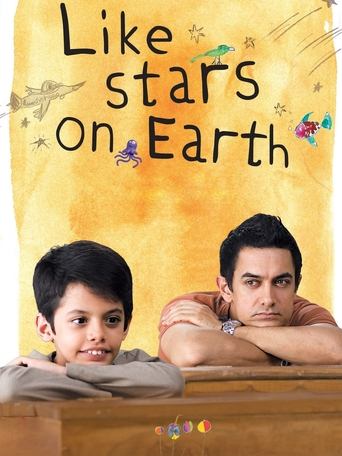
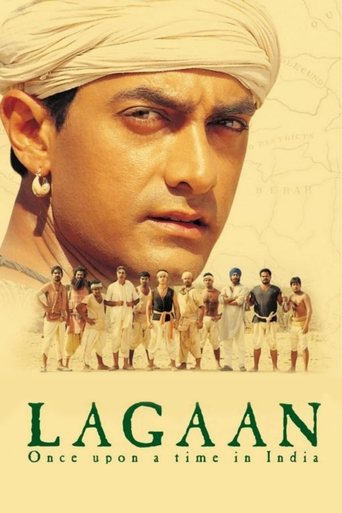
The largest section holds one hundred Hindi films, the most watched of their kind. At its head stand the films that carried Hindi cinema round the world in the first decade of this century: 3 Idiots, Like Stars on Earth, Lagaan: Once Upon a Time in India, Kabhi Khushi Kabhie Gham, Kal Ho Naa Ho, Swades and Chak De! India. Each is long, generous and built around a star, and each has songs that audiences still know by heart.
A second group shows the lighter, more conversational cinema that grew up beside them: Dil Chahta Hai, Jab We Met, Wake Up Sid, Band Baaja Baaraat, Queen, Piku and Dear Zindagi. Their heroes and heroines talk like the city audiences who watch them, and their stories turn on choices about work, friendship and whom to marry.
The section's small films are among its best. Stanley Ka Dabba is set in a school lunch hour. Ankhon Dekhi follows an elderly man in a crowded Delhi house who resolves to believe only the evidence of his own eyes. Photograph is a shy romance between a street photographer and a student. Nil Battey Sannata, Tumhari Sulu, Manjhi: The Mountain Man and Superboys of Malegaon all concern ordinary people with one large determination. The Hindi films guide sorts the hundred.
The Tamil section
Twenty-eight films come from the Tamil industry, based in Chennai. Its best-loved entry here is Anbe Sivam, made in 2003, in which a sharp-tongued advertising man and a scarred, cheerful older stranger are thrown together on a journey home across flooded country by road, rail and bus. Kamal Haasan and R. Madhavan play the pair, and the film's argument, that kindness to others is the only religion worth the name, has made it a favourite to be watched again and again.
Recent Tamil cinema has been rich in warm family stories. Meiyazhagan, which scores 8.2, sends a man back to the town he left as a boy, where a talkative young relative looks after him all night and he is too embarrassed to admit that he has forgotten the fellow's name. Tourist Family is about a family of newcomers who win over a whole Chennai street. Kaaka Muttai follows two small brothers from a riverside settlement who set their hearts on tasting a pizza, and Mandela is a comedy about a village barber whose single vote will decide an election.
Tamil romance has its classics. Mani Ratnam's Alaipayuthey follows a young couple who marry in secret and then have to learn to live together. Vinnaithaandi Varuvaayaa is the story of an aspiring film director and the girl upstairs, with a celebrated score by A. R. Rahman. Kandukondain Kandukondain moves a Jane Austen novel to Tamil Nadu, and Oh My Kadavule gives a young husband a second chance at his own decisions. Nanban is the Tamil version of 3 Idiots, with Vijay in the leading part. The Tamil films guide sorts the section.
The Telugu section
The Telugu industry of Hyderabad supplies twenty-four films. The oldest is also the oldest in the guide: Mayabazar, made in 1957, a fantasy drawn from the epics in which a prince's wedding is rescued by magic, illusion and a great deal of comedy. It scores 8.0 and has often been voted the finest Indian film of all.
Jersey, from 2019, is the story of a gifted cricketer who gave up the game and returns to it at thirty-six for the sake of his young son; it also scores 8.0 and was later remade in Hindi. Mahanati tells the life of Savitri, the great actress of the 1950s and 1960s, and won its star a national award. Manam brought three generations of one acting family together in a story about love returning across lifetimes.
The family film is a Telugu speciality. Bommarillu is about a father who makes every decision for his grown son, down to the choice of his shirts. Seethamma Vakitlo Sirimalle Chettu is set in a household of two unlike brothers. The modern romances are small and sharply written: Pelli Choopulu, in which an arranged meeting goes wrong and ends in a business partnership with a food truck, Chi La Sow, which takes place over one evening, and Malli Raava, which shares the guide's highest score of 8.2. The Telugu films guide sets the section out.
The Malayalam section
Twenty-four films come from Kerala, whose Malayalam cinema is admired across India for its writing. Bangalore Days is the best introduction: three cousins who grew up together move to the same city in the same year, one to marry, one to work with computers and one to race motorcycles, and the film follows all three with equal affection. It scores 7.6.
Ustad Hotel is about a young man trained as a chef in Europe who ends up, to his father's dismay, in his grandfather's small restaurant on the beach at Kozhikode, where he learns what cooking is for. Salt N' Pepper begins with a wrong number and a shared love of food. Sudani from Nigeria is the story of a small-town football manager who nurses his injured African striker at home, and North 24 Kaatham sends a fastidious office worker on an unplanned journey across the state.
The section has older treasures too. Kilukkam, from 1991, is a comedy with Mohanlal as a tourist guide in a hill station. Vadakkunokkiyantram is a study of a jealous husband played for laughter and sympathy. Thanmathra is among the most moving films in the guide, about a devoted father whose memory begins to fail. Newer hits include Premalu, Thanneer Mathan Dinangal and The Great Indian Kitchen, a quiet film about a bride and an endless round of housework that started a national conversation. The Malayalam films guide has more.
The Bengali section
Eight films represent Bengali cinema, and seven of them are by Satyajit Ray, the director who first made Indian film known to the world. Ray's films are small in scale and exact in observation, and they have aged hardly at all. The Big City, made in 1963, is about a housewife in Calcutta who takes a job selling knitting machines door to door when the family runs short of money, and discovers, to her husband's unease, that she is good at it. The Hero puts a famous film actor on an overnight train and lets a young journalist draw his story out of him between stations. It scores 8.0.
Days and Nights in the Forest follows four friends from the city on a holiday in the countryside, where a memory game played on a picnic rug reveals more about them than they intended. Company Limited watches an ambitious executive rise, and The Home and the World adapts a novel by Rabindranath Tagore. An Enemy of the People and The Stranger, Ray's last film, about a long-lost uncle whose identity the family begins to doubt, date from the end of his life.
The eighth film is Ritwik Ghatak's The Cloud-Capped Star, a drama of 1960 about a daughter who holds a displaced family together. The Bengali films guide lists the eight.
Kannada, Marathi and Punjabi
Nine films in three further languages share one section. The Kannada films, from Bengaluru, include 777 Charlie, in which a solitary factory worker's life is turned upside down by a stray labrador, and the two set off on a journey to the mountains; it scores 7.7. Kirik Party is a much-loved comedy of engineering college life, and Love Mocktail a romance told through one man's memories.
The Marathi films are Harishchandrachi Factory, a charming account of how the first Indian feature film came to be made in 1913 by a man who taught himself everything, and Duniyadari, a college story set in the 1970s. The Punjabi films include Qismat and Lahoriye, a love story across the border between two Punjabs. The Kannada, Marathi and Punjabi guide lists all nine.
The South Indian section
One row in the first table gathers the Tamil, Telugu, Malayalam and Kannada films under a single heading, seventy-nine in all. The four industries are distinct, each with its own language and audience, but they share a good deal: a love of music, strong family stories and a habit of remaking one another's successes. A hit in one language is often filmed again in the next within a year or two.
The guide holds several examples. Nanban remakes a Hindi film in Tamil. Jersey travelled the other way, from Telugu to Hindi. Jaanu is a Telugu version of a Tamil romance about two schoolmates who meet again after many years, and Shankar Dada M.B.B.S. a Telugu version of a Hindi comedy about a kind-hearted tough who enrols in medical school. Seeing both versions of a story is a pleasant way of noticing what each industry adds. The South Indian films guide introduces the four.
The last ten additions
The second box on the home page shows the ten newest films, and it changes as releases are added. At present it is led by Made in Korea, a Tamil film of 2026, and by five films of 2025: the Hindi Saiyaara, Sitaare Zameen Par and Superboys of Malegaon, and the Tamil Tourist Family and Dragon.
The films of 2024 on the list are Meiyazhagan, the Malayalam comedy Guruvayoor Ambalanadayil, the Tamil Star and a Punjabi comedy. It is worth noticing that more than half of the ten come from the south. For some years now the southern industries have supplied many of the country's biggest and best-reviewed releases, and a guide that listed Hindi films alone would miss them.
Films by kind
The second table sorts the catalogue by kind. Drama is the largest section with 157 films, romance has one hundred and comedy 118; a film may belong to more than one. Family and fantasy has thirty-four, and Top rated thirty.
The comedy section shows how differently the languages laugh. Hindi offers the gentle confusion of Gol Maal and the unwelcome guest of Atithi Tum Kab Jaoge?. Tamil offers Naduvula Konjam Pakkatha Kaanom, in which a bridegroom loses his recent memory two days before his wedding and his friends must get him through the ceremony, and Comali, about a man who wakes from a coma of sixteen years into a world of telephones that baffle him. Malayalam offers Kilukkam, Vellimoonga and Ee Parakkum Thalika, a farce about an ancient bus. The comedy guide sorts the section by language.
Romance and drama
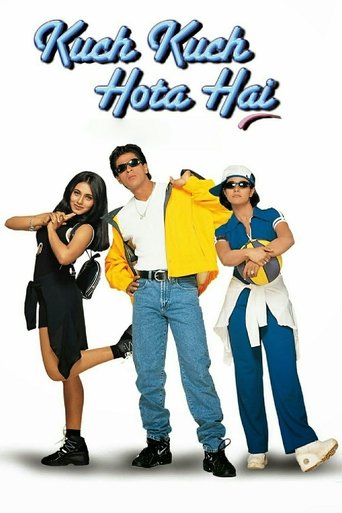
Romance is the common language of Indian cinema, and each industry speaks it with its own accent. Hindi romance is grand: Kuch Kuch Hota Hai, Kal Ho Naa Ho, Mohabbatein and Yeh Jawaani Hai Deewani move between colleges, weddings and mountain meadows. Tamil romance, in the hands of Mani Ratnam and Gautham Menon, is more intimate; Alaipayuthey and Vinnaithaandi Varuvaayaa spend most of their time on two people in ordinary rooms.
Telugu romance has a long tradition of the gentle first-love story, from Tholi Prema in 1998 to Sammohanam, in which an illustrator falls for the film star who is shooting in his family's house. Malayalam contributes Ohm Shanthi Oshaana, told entirely from the girl's side, Koode and 100 Days of Love. Qismat, from Punjab, and Love Mocktail, from Karnataka, are bittersweet favourites in their own languages.
The dramas are just as varied. Thanmathra and Kapoor & Sons are about families under strain. Swades, The Great Indian Kitchen and The Big City look at how people live and work. Udaan and Kaaka Muttai see the world through young eyes, and Mahanati and Harishchandrachi Factory look back at the people who built the cinema itself. The romance and drama guide covers both sections.
Family and fantasy
Thirty-four films are gathered under family and fantasy. Mayabazar is the grandest fantasy in the guide, and children still delight in its scene of a wedding feast that serves itself. Like Stars on Earth, Stanley Ka Dabba and Chillar Party are Hindi films about schoolchildren. Kaaka Muttai and Annmariya Kalippilaanu, in which a small girl hires a local rogue to settle a score with her sports teacher, are their southern cousins.
777 Charlie is the best film here about an animal, and Bhoothnath Returns the friendliest about a ghost. Naani gives a small boy a grown man's body, and Paa does the reverse for one of India's most famous actors. Families will also enjoy Bommarillu, Seethamma Vakitlo Sirimalle Chettu and Friends, which are about households as much as about their heroes.
Films by year
The third table sorts the films into four periods. Before 2000 holds twenty-four, and they include the oldest treasures of each language: Mayabazar in Telugu, Mother India and Gol Maal in Hindi, the Ray films in Bengali, Vadakkunokkiyantram and Kilukkam in Malayalam and Jeans in Tamil, a comedy of twins that toured the wonders of the world for a single song.
The years 2000 to 2009 supply forty films. Hindi cinema was at its most confident then, with Lagaan: Once Upon a Time in India, Dil Chahta Hai, Swades, Jab We Met and 3 Idiots, and the south answered with Alaipayuthey, Kandukondain Kandukondain, Anbe Sivam, Bommarillu, Happy Days and Thanmathra.
The list for 2010 to 2016 is the largest, with sixty-seven: Barfi!, Queen, Piku, Bangalore Days, Ustad Hotel, Manam, Kaaka Muttai, Pelli Choopulu and Kirik Party all belong to it. The newest list, from 2017 onward, has sixty-two, among them Jersey, Mahanati, 12th Fail, Premalu, 777 Charlie, Meiyazhagan and Tourist Family. The films by year page links to all four.
Top rated
The Top rated section holds the thirty films that score 7.6 or higher, and it is the best evidence for the guide's wider view. Two films share first place at 8.2, and both are from the south: the Tamil Meiyazhagan and the Telugu Malli Raava, a love story told across three stages of two lives.
Five films stand at 8.0: Jersey and Mayabazar in Telugu, 3 Idiots and Like Stars on Earth in Hindi, and The Hero in Bengali. At 7.9 come 12th Fail, Oh My Kadavule and Tourist Family, and at 7.8 The Big City, Kaaka Muttai, Thanmathra, Chi La Sow and Premalu. The group at 7.7 includes Anbe Sivam, Chhichhore, Kabhi Khushi Kabhie Gham, 777 Charlie, Kirik Party and Thanneer Mathan Dinangal.
Seven of the eight languages are represented among the thirty, which is as good an argument as any for looking beyond one industry. The top rated page gives the order.
Stars of four industries
Every Indian film industry has its own constellation, and the search box will find them. The Hindi section is led by Shah Rukh Khan, Aamir Khan and Amitabh Bachchan, with Ranbir Kapoor, Deepika Padukone, Alia Bhatt and Rajkummar Rao among the younger names. Their films here include Chak De! India, Lagaan: Once Upon a Time in India, Piku and Barfi!.
In Tamil cinema the great names are Kamal Haasan, the lead of Anbe Sivam, and Vijay, who appears in Nanban, Friends, Kushi and Sachein. Suriya stars in Sillunu Oru Kaadhal, R. Madhavan in Alaipayuthey, and Karthi and Arvind Swamy share Meiyazhagan. The Telugu section has Mahesh Babu, Prabhas, Nani, the lead of Jersey, and Chiranjeevi, a star since the 1980s.
Malayalam cinema has been led for forty years by Mohanlal and Mammootty; the first appears in Kilukkam and Thanmathra, the second in Pranchiyettan & The Saint. The younger generation is here in force: Dulquer Salmaan in Ustad Hotel, Bangalore Days and 100 Days of Love, Nivin Pauly in Ohm Shanthi Oshaana and 1983, Fahadh Faasil in North 24 Kaatham and Nazriya Nazim in Koode. Several of these actors work in two or three languages, which is one more reason to follow them across the sections.
Directors to know
A few directors' names are worth typing into the search box. Satyajit Ray made seven of the eight Bengali films. Mani Ratnam, the most admired director in Tamil cinema, made Alaipayuthey. Gautham Menon made Vinnaithaandi Varuvaayaa, and Shankar, a specialist in spectacle, made Jeans and Nanban.
In Malayalam, Anjali Menon wrote and directed Bangalore Days and Koode and wrote Ustad Hotel. Sathyan Anthikad, whose comedies of village life have run for four decades, made Jomonte Suvisheshangal and Oru Indian Pranayakadha. In Telugu, Sekhar Kammula made Happy Days and Life Is Beautiful, and Nag Ashwin made Mahanati.
The Hindi section has Rajkumar Hirani, Ashutosh Gowariker, Karan Johar, Imtiaz Ali, Zoya Akhtar and Shoojit Sircar. Mehboob Khan and Raj Kapoor represent an earlier age with Mother India and Mera Naam Joker, and Hrishikesh Mukherjee with Gol Maal.
Music across the sections
Songs are the thread that runs through every section. A. R. Rahman, who began in Tamil cinema and went on to work across India and abroad, composed for Alaipayuthey, Kandukondain Kandukondain, Jeans, Vinnaithaandi Varuvaayaa, Lagaan: Once Upon a Time in India, Swades, Rangeela and Taal, so that a viewer can follow one composer through two languages and thirty years.
Each industry has its own sound. Tamil and Telugu films favour big rhythmic numbers; Malayalam songs are often quieter and closer to folk music; Hindi film music draws on everything. In nearly every case the actors mime to voices recorded by playback singers, a convention audiences accept as easily as they accept the curtain in a theatre.
A handful of films in the guide make music their subject. Meesaya Murukku is about a college rapper, Rangeela about a dancer who becomes a star, ABCD and Street Dancer 3D about dance crews, and Kirik Party has one of the most popular soundtracks in Kannada cinema.
Food on the screen
Indian films are seldom far from a kitchen. Ustad Hotel is the finest food film in the guide, with its seaside biryani and its lesson that a cook's task is to fill the heart as well as the stomach. Salt N' Pepper introduces two food lovers by a misdialled order. The Great Indian Kitchen shows cooking as labour, three meals a day with the washing-up still waiting.
In Hindi, Stanley Ka Dabba is named after a lunch box, Daawat-e-Ishq travels between the kebab shops of Lucknow and Hyderabad, and English Vinglish's heroine makes sweets for sale. In Telugu, Pelli Choopulu ends with a food truck. Even Kaaka Muttai is at heart a film about wanting to taste something, and what happens when the wish is finally granted.
A map of the films
The eight languages cover a large part of the map of India, and the films show it. The Hindi section moves between Mumbai, Delhi and the small towns of the north, with excursions to London and New York. The Tamil films are set in Chennai, in the temple towns and delta villages of Tamil Nadu and, in Madrasapattinam, in the Madras of 1947. The Telugu films belong to Hyderabad and the coastal districts of Andhra.
Kerala is the most photographed state of all. Bangalore Days begins there before it moves to the city of its title. Ustad Hotel is set on the Malabar coast, North 24 Kaatham travels the length of the state, Sudani from Nigeria takes place in a football-mad town in the north, and Kilukkam climbs to the hill station of Ooty just across the border. The Bengali films are portraits of Kolkata, with one journey into the forests of the neighbouring plateau.
The Kannada films start in Bengaluru and Mysuru; 777 Charlie ends among the snows of the Himalayas. Harishchandrachi Factory recreates the Bombay of 1911, and Lahoriye looks across the Punjab border. A viewer who watches a dozen films from different sections will have travelled the country from Kashmir to the southern cape.
Choosing by the time you have
Indian films are long, and the Last 10 additions box prints each running time for that reason. Most films in the guide last between two hours and two and three-quarter hours. The Hindi epics are the longest: Mera Naam Joker, Lagaan: Once Upon a Time in India and Mohabbatein all pass three and a half hours.
The southern industries have moved faster towards shorter films. Many recent Malayalam and Kannada films run for a little over two hours, and the Ray films, made on small budgets for an audience of city filmgoers, are closer to European lengths. The Hero, The Big City and Days and Nights in the Forest are each about two hours, and Harishchandrachi Factory is done in ninety-six minutes.
A long film is best treated as the evening's whole entertainment, with a pause at the interval. For a weeknight the guide suggests the newer small films: Photograph, Mandela, Chi La Sow, Premalu or Love Mocktail.
Choosing by the company you keep
For children, begin with Like Stars on Earth, Kaaka Muttai, Chillar Party, Mayabazar and 777 Charlie. For teenagers, the college films are the obvious choice, and every language has one: 3 Idiots and Chhichhore in Hindi, Nanban in Tamil, Happy Days in Telugu, Premalu and Thanneer Mathan Dinangal in Malayalam and Kirik Party in Kannada.
For parents and grandparents there are Baghban, Piku, Thanmathra, Manam and Meiyazhagan, which is about the pull of a home town on a man in middle age. For a couple, Alaipayuthey, Jab We Met, Pelli Choopulu and Bangalore Days are sure choices.
Households that speak one Indian language at home will naturally start with their own section. The guide's suggestion is to cross over at least once. A Hindi-speaking family will find Bangalore Days or Jersey as easy to love as anything in their own language, and a family from the south will find the same in Queen or Hindi Medium.
Five films for a first visit
A visitor new to Indian cinema could begin with one film from each of five sections. From Hindi, 3 Idiots, because nearly everyone likes it. From Tamil, Anbe Sivam, for its two great performances. From Telugu, Jersey, a sports film that is really about a father. From Malayalam, Bangalore Days, the friendliest film in the guide. And from Bengali, The Big City, which shows in two hours why Satyajit Ray is counted among the masters.
Those five evenings cover sixty years, five languages and almost every mood the catalogue contains. After them the section tables will make their own suggestions, each row with its newest film already named.
What the films share
Watched side by side, the films of the eight languages turn out to care about the same few things. The first is the family, in particular the bond between fathers and sons. Jersey, Thanmathra, Bommarillu, Udaan, Piku and Paa each look at it from a different side, and Manam stretches it across three lifetimes.
The second is education. India's examinations are among the hardest in the world, and its cinema has made a genre of them: 3 Idiots, Nanban, Happy Days, Kirik Party, Chhichhore, 12th Fail, Hichki and Like Stars on Earth argue in several languages that a student is more than a mark.
The third is the home town. Meiyazhagan, Swades, Ustad Hotel and Jomonte Suvisheshangal are all about someone who went away to a larger place and found that the smaller one had kept a claim on him. And the fourth is sport, above all cricket, which supplies Lagaan: Once Upon a Time in India, Jersey, 1983 and M.S. Dhoni: The Untold Story, with wrestling in Godha and Gatta Kusthi and hockey in Chak De! India.
Films to watch in pairs
The sections invite comparison, and some pairs are especially rewarding. 3 Idiots and Nanban tell one story in Hindi and Tamil, scene for scene, with different stars and different songs. Jersey and 1983 are both about a cricketer and his son, one from Telugu cinema and one from Malayalam. Godha and Gatta Kusthi are wrestling comedies from Kerala and Tamil Nadu.
The Big City and Tumhari Sulu are separated by fifty-four years and joined by a subject: a wife who takes a job and finds that it changes the household. Mayabazar and Manam show the Telugu love of stories that step outside ordinary time. Bangalore Days and Dil Chahta Hai each follow three young people into adult life, and Kandukondain Kandukondain carries a Jane Austen novel to Tamil Nadu with two sisters, three suitors and a full set of songs.
For an evening about cinema itself, the guide suggests Harishchandrachi Factory followed by Mahanati: the making of the first Indian film, and the life of one of its brightest stars forty years on.
Titles, names and subtitles
A few practical notes help when searching. The guide lists every film under the English title recorded by TMDB, and shows the original title in its own script on the film page, whether Devanagari, Tamil, Telugu, Malayalam, Bengali, Kannada or Gurmukhi. Many southern films are known abroad by their original names in Roman letters, so Alaipayuthey, Bommarillu and Thanmathra appear exactly as their admirers type them. The Ray films are listed under their English titles.
The two capital letters in the Last 10 additions box and on each poster give the language: HI for Hindi, TA for Tamil, TE for Telugu, ML for Malayalam, BN for Bengali, KN for Kannada, MR for Marathi and PA for Punjabi. Which subtitle and dubbed tracks are offered depends on the service that carries a film in your country; many southern hits are available dubbed into Hindi as well as subtitled in English, and JustWatch shows the services to consult.
Searching by actor works across languages. Typing Madhavan finds 3 Idiots, Anbe Sivam and Alaipayuthey, a Hindi film and two Tamil ones, and typing Dulquer finds films in Malayalam, Hindi and Telugu.
Why a forum index
The look of this guide comes from the discussion boards of the middle 2000s, where enthusiasts of Indian film gathered in sections by language and by subject and kept one another informed about new releases. The boards had a plain, dependable shape: a table of sections, a count beside each, and a note of the latest arrival.
The guide keeps that shape because it suits a catalogue in several languages. A visitor sees at once how the 193 films are divided, which section is largest and what was added last. The posts, the member names and the shared files of the old boards have gone; what remains is the index, with a film page and a Watch now button behind every title.
The statistics box at the foot of the index is another inheritance. Where a forum counted its threads and members, this one counts films, languages and hours, and names the newest film on the site.
Children at the centre
Indian cinema is unusually good at films seen through a child's eyes. Kaaka Muttai is the outstanding example: its two young heroes are played by boys who were new to acting, and the film follows their plan to earn the price of a pizza with the seriousness it deserves. Like Stars on Earth is the best-known Hindi film about childhood, and Stanley Ka Dabba and Chillar Party are close behind.
Annmariya Kalippilaanu gives a Malayalam schoolgirl a grievance and an unlikely ally. Udaan and Nil Battey Sannata are about teenagers and the adults who must decide how hard to push them. 777 Charlie is a child's film in spirit, though its hero is a grown man who has forgotten how to care for anything.
These films are a fine place to begin for families new to subtitles, since a child's wishes are understood in any language.
Weddings and festivals
The wedding is the great set piece of Indian cinema, and every section has one. Band Baaja Baaraat is set among Delhi's wedding planners. Pelli Choopulu takes its title from the formal meeting at which a match is first discussed. Guruvayoor Ambalanadayil builds an entire comedy round a wedding at a famous Kerala temple that the bridegroom's future brother-in-law is determined to stop.
Mere Brother Ki Dulhan, Bareilly Ki Barfi and Naduvula Konjam Pakkatha Kaanom all turn on a ceremony in danger of going wrong. Kabhi Khushi Kabhie Gham and Kal Ho Naa Ho contain wedding songs that are still played at real celebrations every week.
Festivals mark the films as they mark the year. Lamps, colours, harvest feasts and temple processions appear in every language, and a viewer who watches across the sections will see the same joy expressed in eight different ways.
Sport is the last of the shared occasions, and the country's enthusiasm for it shows in every section. Chak De! India and Lagaan: Once Upon a Time in India are the Hindi classics. Jersey is the Telugu one, 1983 the Malayalam one, and Sudani from Nigeria proves that a seven-a-side football league in a small Kerala town can carry as much feeling as a World Cup. M.S. Dhoni: The Untold Story tells the life of a real champion, Gatta Kusthi puts a wrestler in an unexpected marriage, and Godha sends a college student from Kerala to wrestle in Punjab. A viewer who is a stranger to sport will still find these films easy to love, since each is about a person and a community first and a scoreboard second.
The guide's sections make all of this simple to explore. Pick a subject, a wedding, a classroom, a cricket pitch, and then look for it in a language you have yet to try.
My Stop
My Stop, at the end of the navigation row, is your own list of films to watch. The list button on a film page adds the film, and the Remove button on the list page takes it out. The list is kept in the browser on your own device, so it opens at once, and its page can save it as a file. The My Stop page explains each step.
With films of this length, three or four is a full list. A good first selection would cross the sections: Queen from Hindi, Kaaka Muttai from Tamil, Pelli Choopulu from Telugu and Ustad Hotel from Malayalam make four evenings in four languages, each film under two and a half hours.
Families who watch together often keep a list for the festival season. A few titles chosen in advance, one for the children, one for the elders and one that everybody has been meaning to see, save a long discussion when the house is full.
A BollyStop film page from top to bottom
A film page on BollyStop is laid out like the first post of a forum thread, in cream and brown. The English title stands at the head, and the original title follows in the script of its language. The poster is set at the left in a thin border. A row of small labels gives the year, the running time and the genres. The summary is written in English and holds back the ending. The Watch now button and the list button come next, and a bordered panel beneath them holds the country selector, which opens on India, with a second button. A table of facts sets out the release date, the original language in full, the country, the studio and the score out of ten with its number of ratings. The cast is listed with the names of the characters, and the director after them; each name is a link that gathers the person's other films in the guide, whichever section they belong to.
Where to begin
Open the first table and choose the language you know best, or the one you know least. Each row names its newest film, which is as good a starting point as any. Those who would sooner be guided can use the Top rated section, where the first seven films come from four different languages.
The search box is the other way in. A half-remembered title, the name of an actor seen once, or simply a year will bring up a list, and the two capital letters on each poster say at a glance which industry a film belongs to.
BollyStop: replies to common questions
Questions
What is BollyStop?
BollyStop is a guide to 193 Indian films in eight languages, set out like a forum index. Each film has a page with its cast, rating and an English summary, and a Watch now button that leads to official services.
How do I watch a film I find on BollyStop?
Open the film page, choose your country beside the Watch now button and press it. JustWatch then lists the subscription, rental, purchase and free services that carry the film in that country.
Which languages does BollyStop cover?
There are 100 Hindi films, 28 Tamil, 24 Telugu, 24 Malayalam and 8 Bengali, with 9 more in Kannada, Marathi and Punjabi.
Is BollyStop only about Bollywood?
Bollywood, the Hindi industry of Mumbai, supplies a little over half the films. The rest come from the industries of Chennai, Hyderabad, Kerala, Kolkata and other centres.
Which BollyStop films have the highest scores?
Meiyazhagan and Malli Raava have 8.2. Jersey, Mayabazar, 3 Idiots, Like Stars on Earth and The Hero have 8.0.
What is the Last 10 additions box?
It lists the ten newest films by date of release, each with its year, its language in two letters and its running time.
Are the films subtitled in English?
Titles and summaries on the site are in English. The subtitle and dubbed tracks available depend on the service that carries each film in your country.
Is BollyStop suitable for family viewing?
Every film was screened by hand for a family audience, and the family and fantasy section holds thirty-four films chosen with younger viewers in mind.
What is My Stop?
My Stop is your personal list of films to watch. It is kept in the browser on your device and can be saved as a file from the list page.
Where does BollyStop get its information?
Posters, ratings and cast lists are supplied by TMDB, and the links to services come from JustWatch. The guide and help pages are written by the BollyStop editorial team.
